Strongbow in Ireland
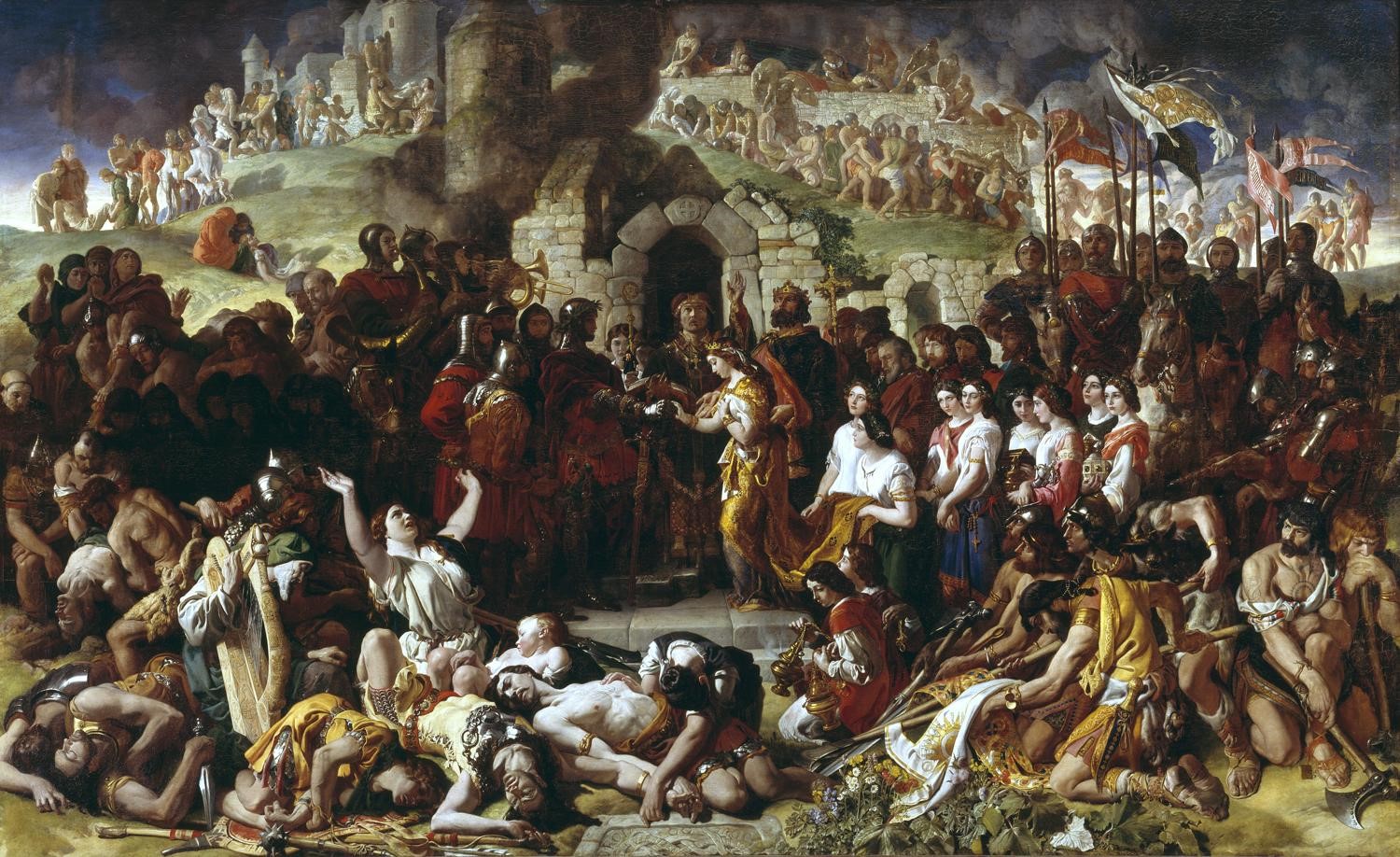
Norman England’s Involvement in Ireland
Negotiating the United Kingdom’s departure from the European Union (”Brexit”) proved a contentious issue. How the border between the Republic of Ireland and Northern Ireland, a province of the United Kingdom, was treated gathered international attention as part of the Brexit negotiations demonstrated.
Contemplating the border raises the question of how England came to be involved in Ireland in the first place. It’s a great story, some 850 years in the making.
At a time of many rival rulers, Dermot MacMurrough was King of Leinster, the eastern of Ireland’s four ancient provinces which Dublin is within. MacMurrough lost a power struggle in Leinster in the late 1160’s and, obsessed with regaining his position, went to England looking for allies to support him in retaking his throne.
MacMurrough met with King Henry II, who wasn’t interested in helping directly. However, the English Crown was concerned about the possibility of a hostile power base in Ireland, their western flank. Thus Henry II gave MacMurrough an open letter after he pledged his fidelity to Henry. Armed with the letter MacMurrough persuaded the fierce and well trained Richard FitzGilbert de Clare (de Clare’s badass alias being “Strongbow”) to take his army from the Welsh/English border to Ireland to beat MacMurrough’s opponents – all on two conditions: that MacMurrough give Strongbow his eldest daughter Aoife’s hand in marriage and that Strongbow succeed MacMurrough as the King of Leinster upon his death.
In 1169 Strongbow and his army arrived in Co Waterford and won the ensuing battle. Strongbow married Aoife MacMurrough at Christchurch Cathedral in Waterford and MacMurrough was dead in 14 months, leaving the English Strongbow as ruler of a quarter of Ireland. Wanting to be sure that he didn’t have an “overly mighty subject,” Henry II came to Ireland and received the homage of Strongbow and other Irish leaders, thus England became established in Ireland.
The marriage of Strongbow and Aoife remains profound in Irish history as the formal involvement of England in Ireland. The Co Cork born Irish painter Daniel Maclise depicted this epic scene with the intent that it be in the palace of Westminster, though it is here in Dublin.
 https://www.nationalgallery.ie/